
Scotland has consistently had an impactful influence on fashion houses and ateliers across the world throughout the 20th and 21st centuries. V&A’s exhibition CATWALK: The Art of the Fashion Show aimed to highlight this, showcasing a range of both international runways and campaign shoots that were inspired by Scotland's scenic landscapes and craftsmanship. At the start of September, some of the GCFS directors and executive team ventured to Dundee as part of the ‘Scotland Fashion Now’ festival to gather inspiration for our own campaign.
A key focus of the exhibition featured designs from Christian Dior’s 1955 Spring/Summer collection, which debuted in May, 1995 at both the Gleneagles hotel and the Central hotel in Glasgow. The aim of these runways was to raise money for the charitable foundation “the Friends of France,” which aimed to bridge connections between French and Scottish school children and allow exchange visits between the two countries. Christian Dior flew out a brigade of 172 dresses, eight models and six staff for the occasion, later describing in his bibliography that they partook in traditional reels and ceilidh dancing subsequently after the show - something which “delighted his French eyes” and encouraged him to “linger a little in Scotland” after the fact.
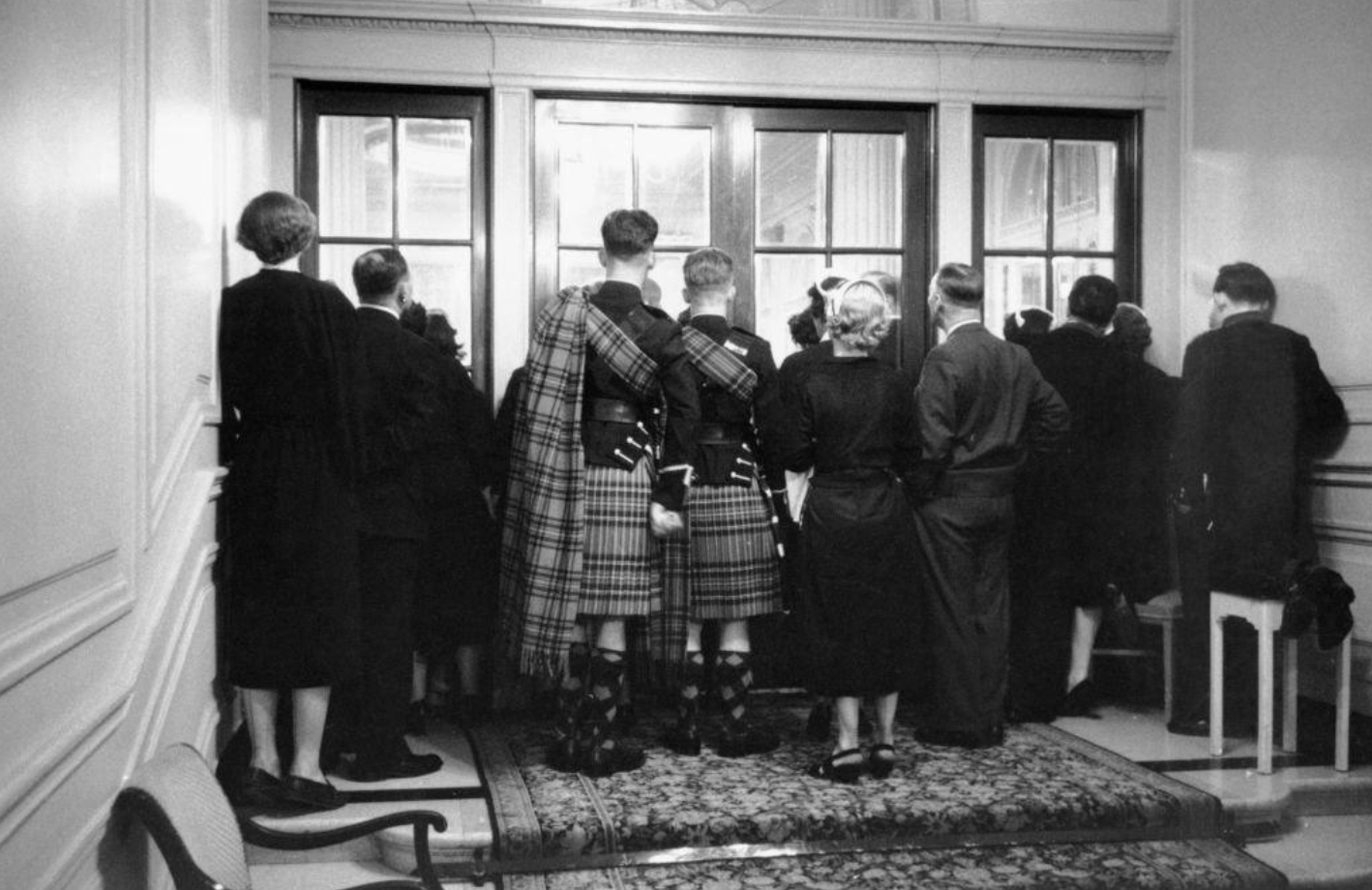
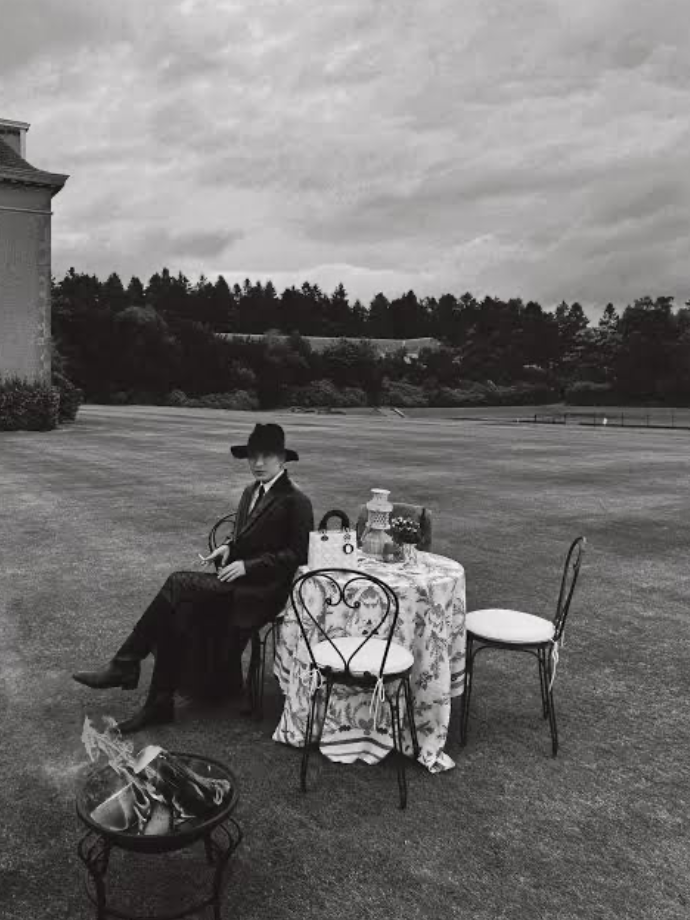
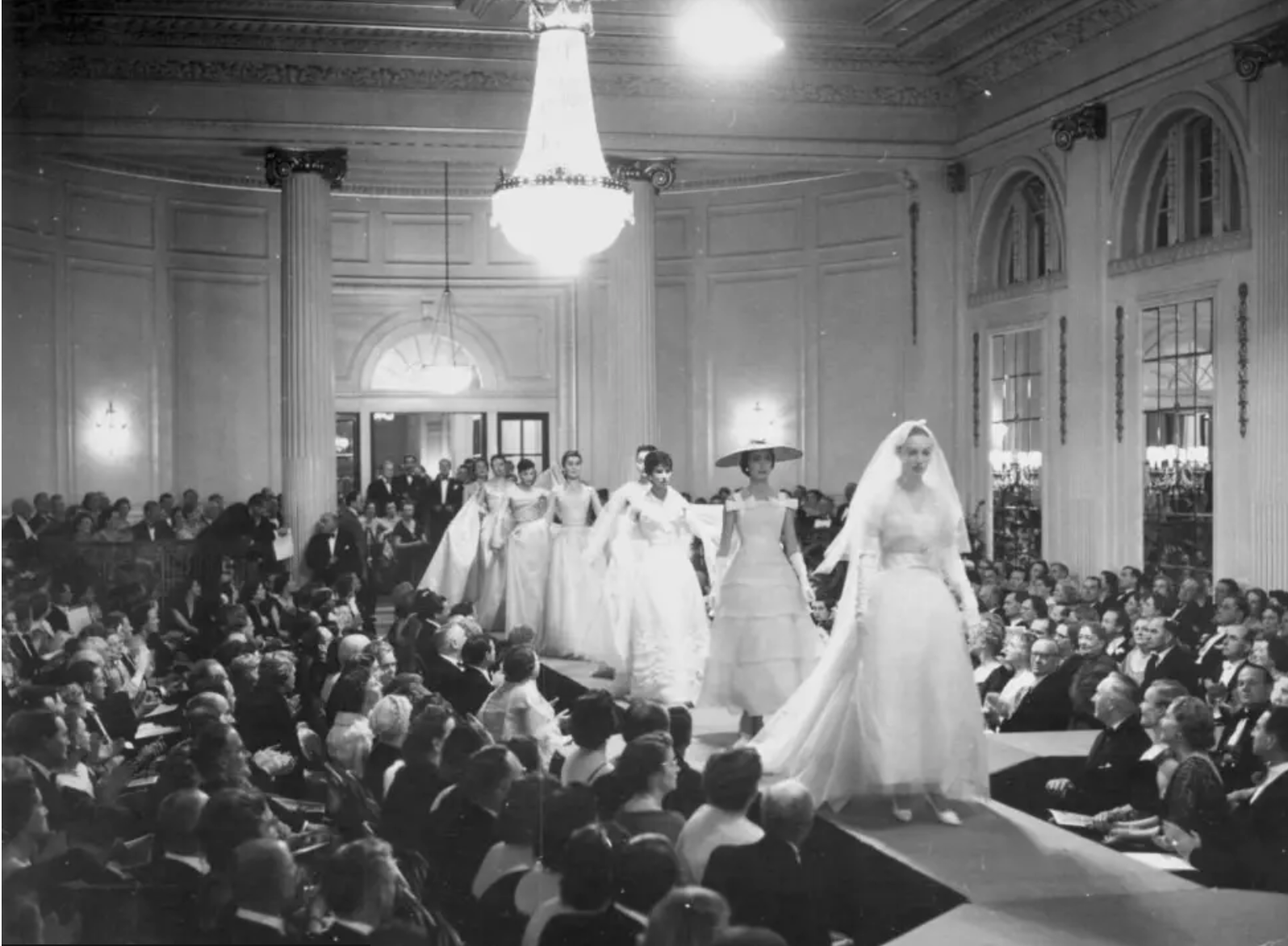
The significance of this campaign extends past bringing Parisian couture to Scotland, also acting as an early example of the influence Scotland was starting to have on the global stage of the fashion industry. Its culture and atmosphere influenced both the designs and designer, as is showcased in Dior’s return to Scotland for the fashion house’s 2025 Cruise Show that was held in the ruins of Drummond Castle, Perthshire.
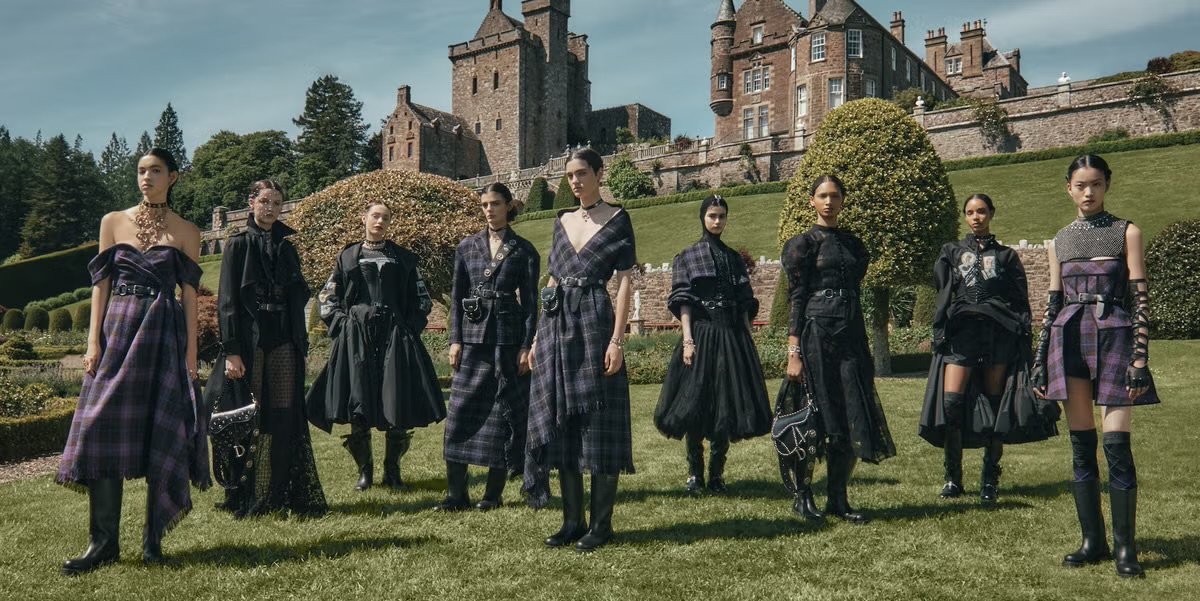
Christian Dior’s affection for Scotland was reminiscently expressed, as the show was opened to bagpipes in an “ode to Scotland’s diverse culture and traditions” whilst consisting of designs that included tartan prints and modernised “punk” elements of Scottish fashion in remembrance of the successful designer Mary Stuart.
Both shows commend how Scottish wear and heritage continue to influence renowned designers across centuries, with its unapologetically bold and unique personality. From the bustling city of Glasgow to the serene countryside just south of Crieff, Scotland’s charm and landscapes act as a perfect setting for creativity.
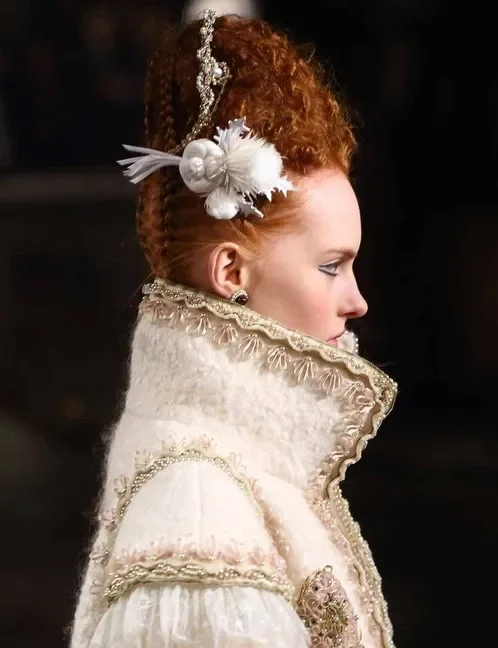
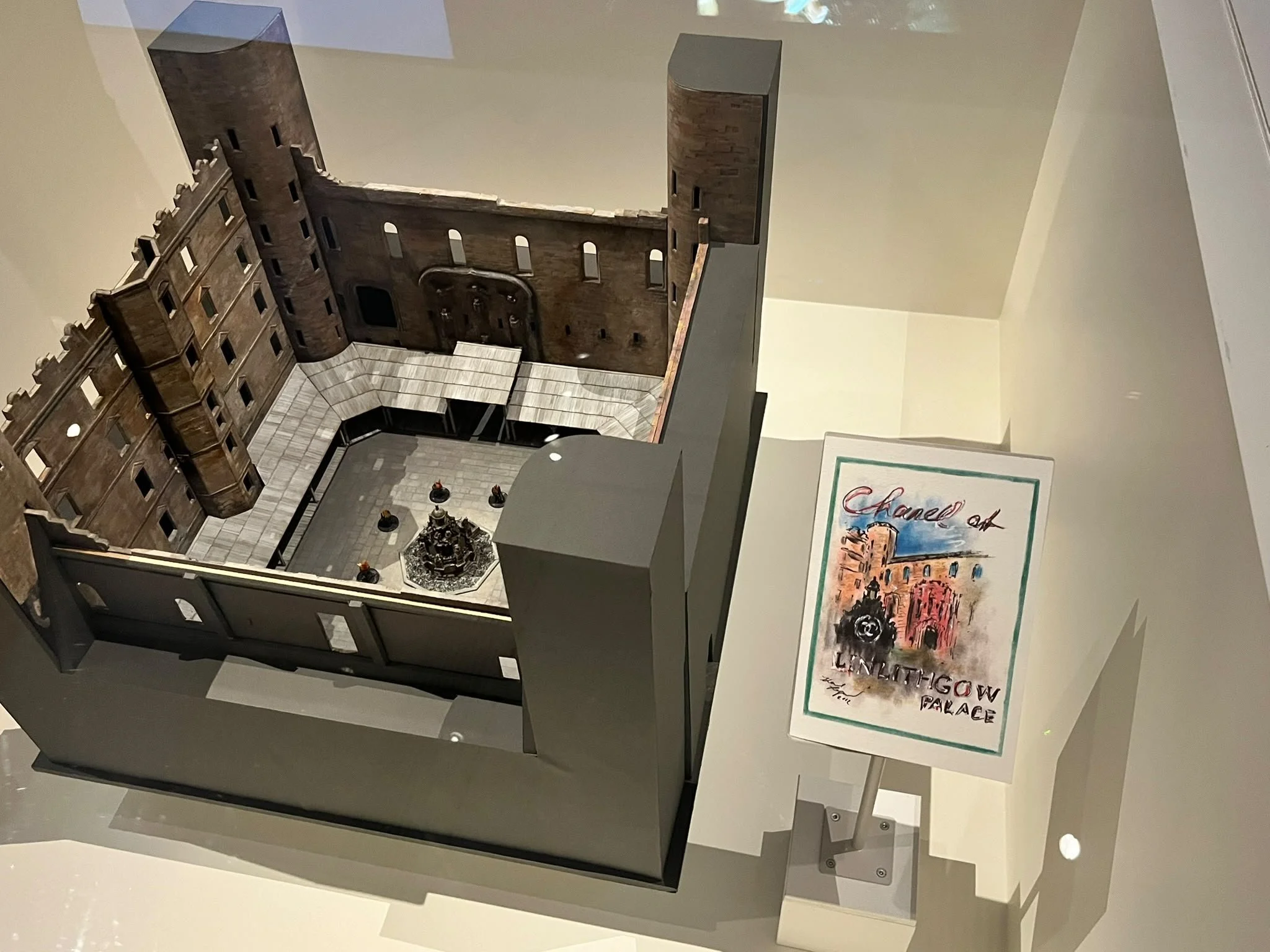
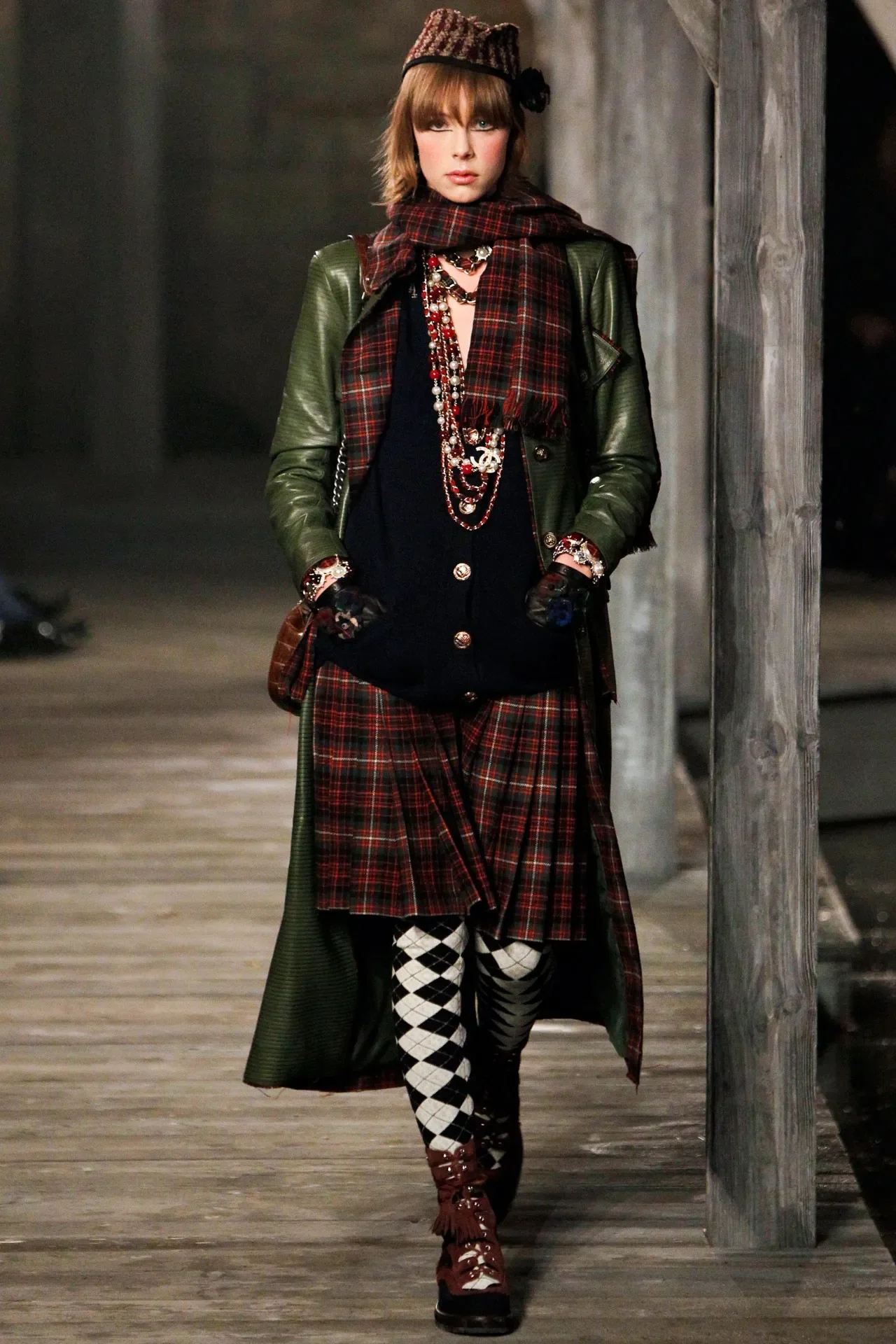
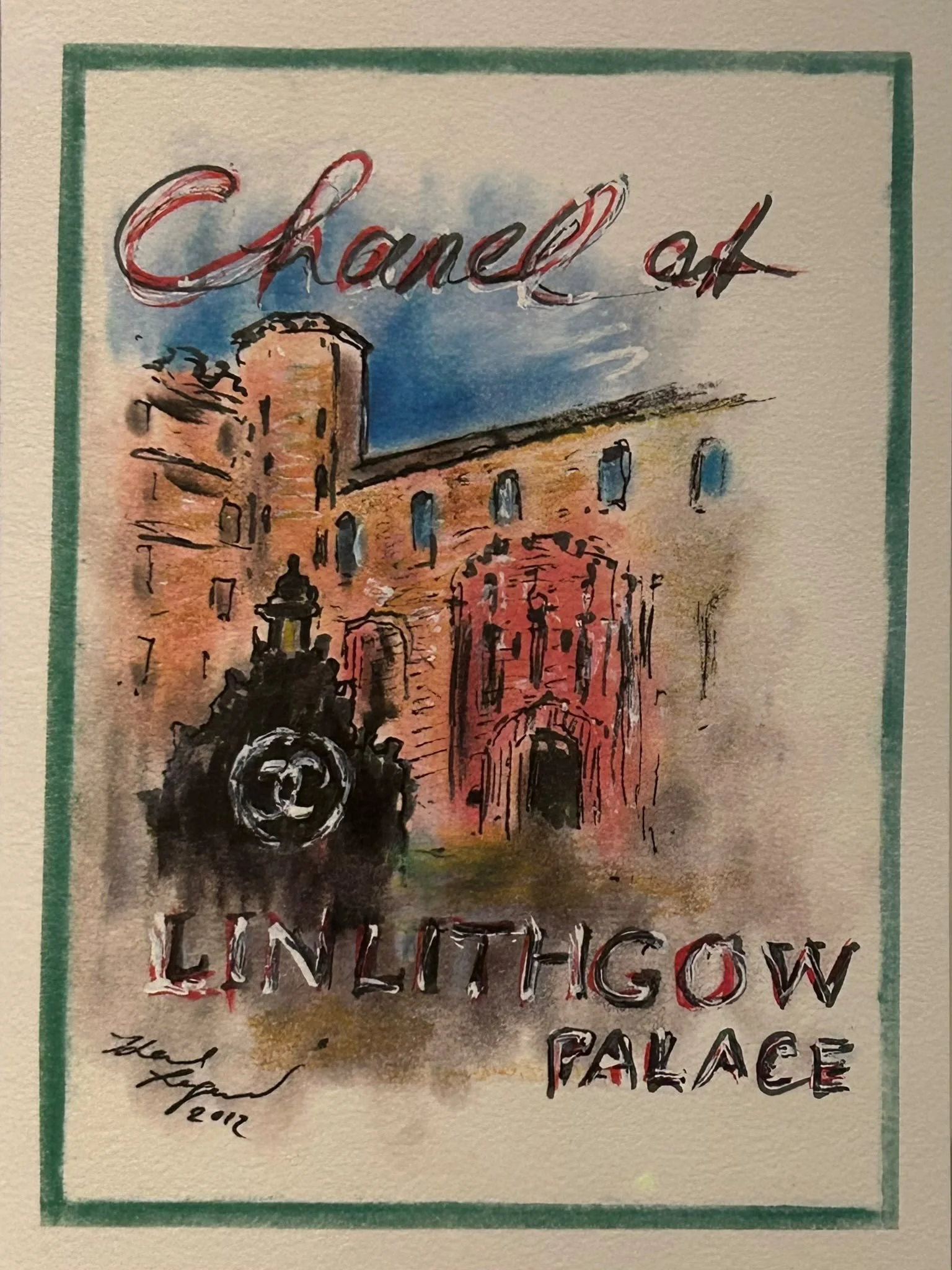
Dior was not alone in turning towards using Scottish history and landscapes as a muse, shown in another celebration of Scottish design exhibited by the V&A. On December 4th 2012, Chanel hosted their Metiers d’Art show at Linlithgow Palace, the birthplace of Mary Queen of Scots. Metiers d’Art is held in a different country every year, and Scotland’s show included rich references to the history of its setting, consisting of a catwalk filled with medieval inspiration along with textiles of argyle, tartan and tweed, displayed against low-lighting aimed to transport onlookers back through Scottish history.
Scotland’s involvement, however, does not stop at design. Coco Chanel had consistently used Scottish wool in her garments, which has been reflected in the brand’s recent acquisition of Hawick cashmere mill, ‘Barrie’. Scottish cashmere is used across a number of reputable brands, and is seen as a staple of quality. Hermes boasts 100% Scottish cashmere knitwear, as do Alexander McQueen and Burberry, showing the relationship between Scottish craftsmanship and international fashion is not confined solely to the visual.
Beyond the runway, Burberry recently ventured to the Isle of Skye to shoot for its AW23/24 campaign, featuring models appearing to brave the textured Scottish landscapes and weather in thick tartan knitwear of both bright and muted colours, picturing the wildlife between seas of heather to show how Scotland’s nature becomes an extension of the clothing pictured within it.
Rooted in Scotland’s rich heritage and unbridled beauty, Loro Piana’s AW24/25 collection celebrated Scotland’s enduring spirit. Set against the grandeur of 18th-century Inveraray Castle, the collection brought together Cheviot wool, the symbolic thistle, and the brand’s signature designs to honour Scotland’s textile traditions through a lens of modern luxury.
Captured by Mario Sorrenti, the campaign moved between the rugged landscape and the warmth of the castle’s interiors, evoking a sense of belonging, reunion and connection. Through these intimate scenes, Scotland’s timeless elegance and natural beauty take centre stage.
Each campaign demonstrates the versatility of Scotland’s appeal to contemporary fashion, providing both tradition and harsher environments with a unique sense of place when considering the history which surrounds it. Tartan, for example, used in all of the aforementioned campaigns, was first recorded in 1594 as “belted plaid” which distinguished Scottish mercenaries from the Irish. It has always been a distinctive part of Scottish identity and history, and to see its evolution into high-fashion across the world emphasises its longstanding impact and versatility.
Exhibitions, such as the V&A Dundees’, are an important part of allowing Scotland the recognition it deserves within the world of international fashion. Each runway and shoot shows how the country has acted as a source of inspiration for major designers in all parts of the production process; from fabric to setting, from rural to urban, it continues to both produce and invite talent to emulate Scottish culture and community. These are all things that GCFS continue to value, celebrating Scotland’s creative identity by highlighting local designers and emerging talent in Glasgow, a city at the centre of our diverse culture and creative heritage.
By Izzy Thomas,
Press & PR