
The Return of Thrifted Clothing in Student Culture
From Vinted to the local charity shop, second-hand clothing has been on the come up throughout the past decade. Whether it's for aesthetics or the appealingly low price points, student culture has embraced it as the norm when it comes to buying “new” apparel. Finding a pair of shoes for £50 off the original price point is something that could earn anyone praise from their friends - but when did used become cool?
Although it seems sudden with the rise of trends circulating through social media, women have been buying second-hand clothing for years. Notably, following the stock market crash in 2008, priorities shifted from portraying an image of luxury to flaunting resourcefulness and bargains.
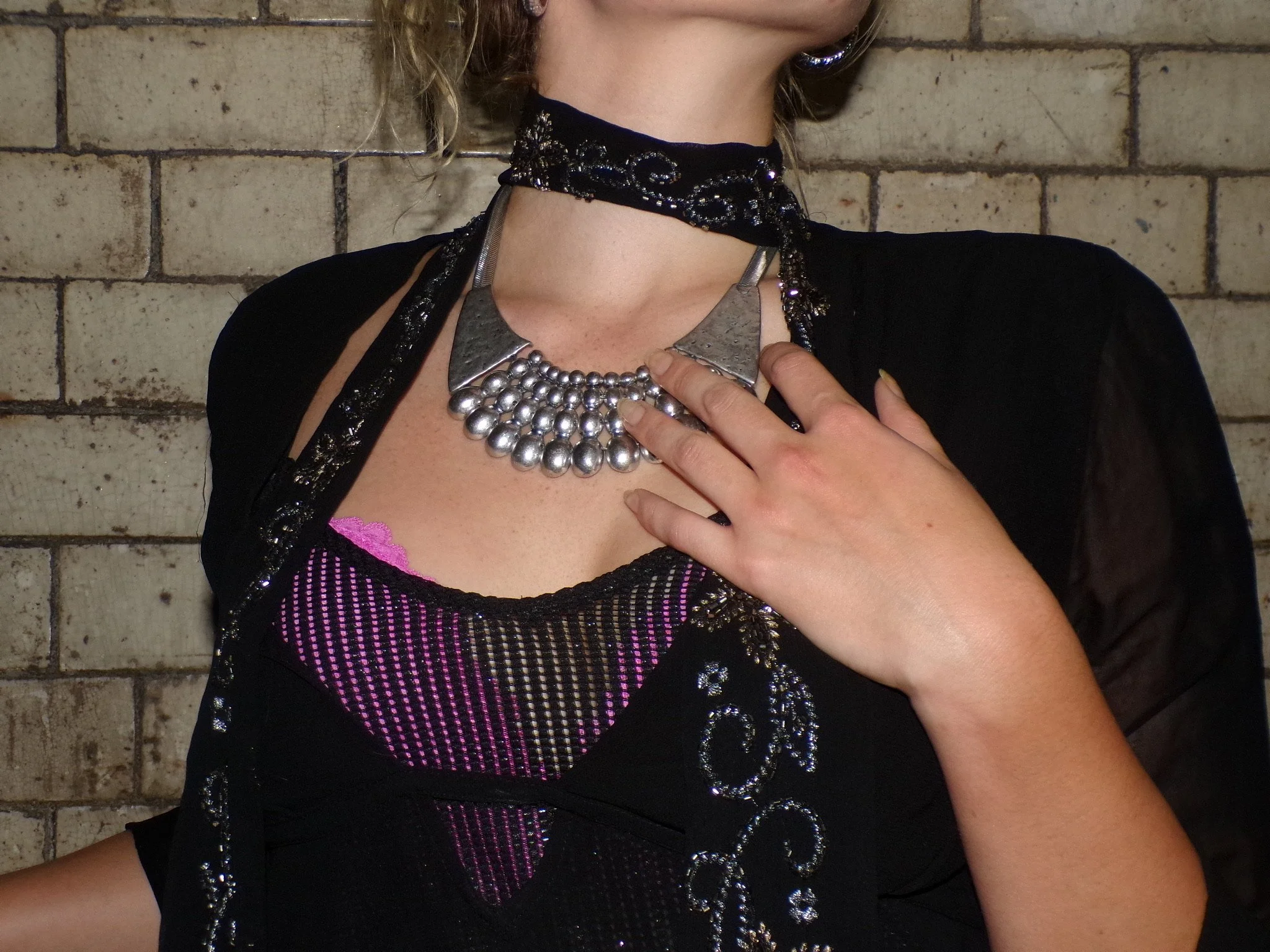
Thrifting has since translated from a necessity to something fun and deliberate, resonating with this generation's desire for individuality
Saying “I thrifted it” gives an item a sense of uniqueness and unattainability, even though it may have been bought for £3 at the local British Heart Foundation. The excitement comes not only from what you buy, but the thought of having something no one else has.
Platforms such as Pinterest and TikTok have transformed thrifting from an occasional activity into its own aesthetic. With fast fashion making trends more accessible than ever, second-hand shopping offers an alternative to the repetitive turnstile of outfits whilst providing people a place to discard items when the trend cycle is over. Vintage jackets, worn-in denim and uncommon statement pieces provide an opportunity to develop personal style without relying solely on what is being advertised at that time.
Affordability, of course, has still played a major role in this uprise of thrifting - specifically within student culture. Navigating the rising cost of living has meant that buying new items of clothing can become something inaccessible for many, and as high-street prices continue to climb, platforms such as Depop, Vinted and Ebay offer a sustainable way to access brands that would otherwise be out of a typical student budget.
Taking thrifting to the internet has given customers the ability to negotiate pricing and have items delivered directly to you, making second hand clothing more convenient than ever.
However, the rising popularity of recycled fashion has raised many interesting controversies. Is the appeal really about sustainability, or is it merely another trend that will eventually pass? Buying pre-used clothing is presented as an environmentally conscious alternative to fast fashion, extending the lifespan of garments and reducing demand for newly manufactured products. But have we seen it capitalise upon itself? The recent influx of resellers profiting from something they bought at a charity shop for 4x the original price and titling it “vintage” is something that removes part of the charm of upcycling clothing. However, there are people who are trying to counter this and bring back the routine of sharing and shopping for garments that have a story.
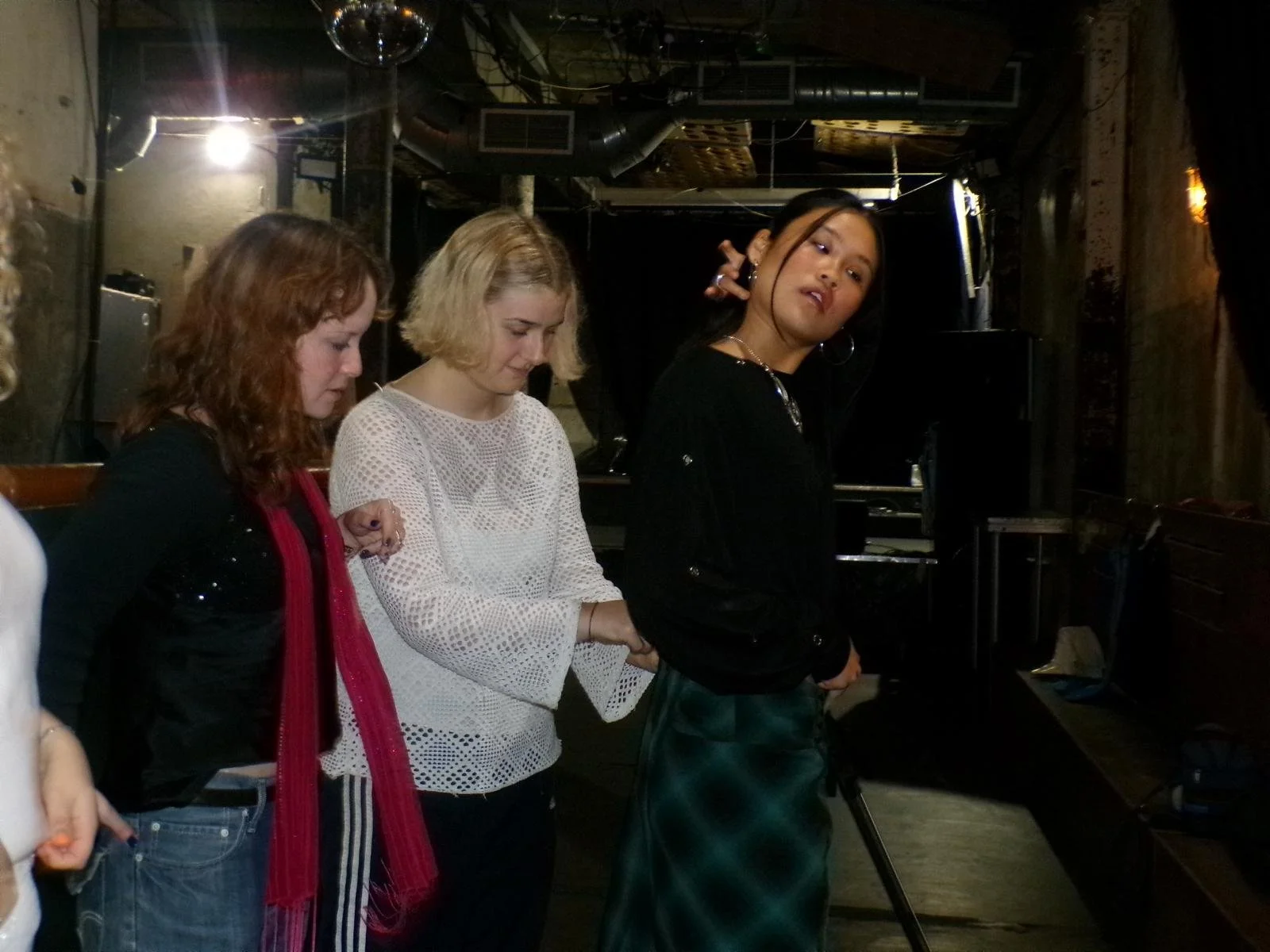
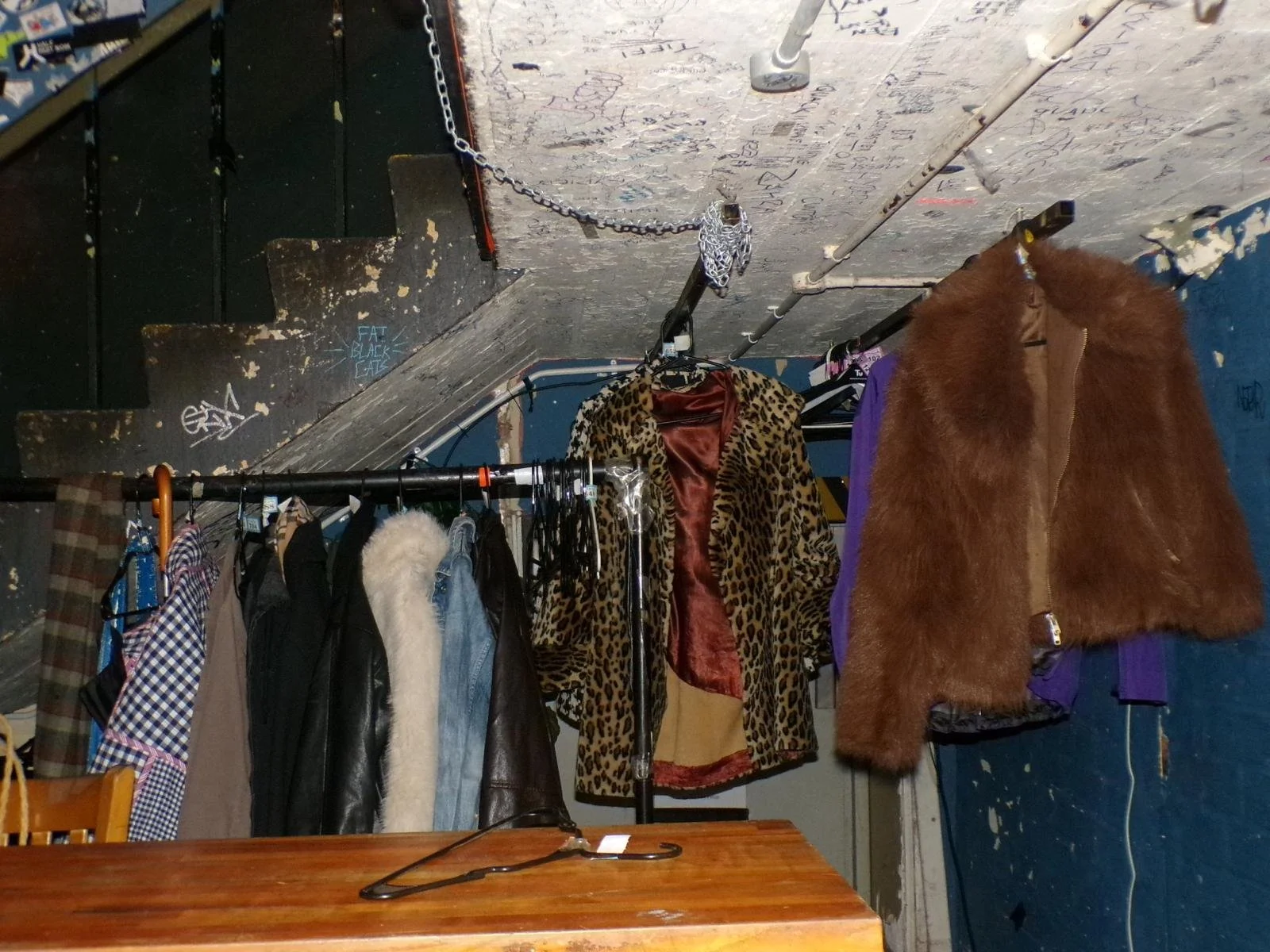
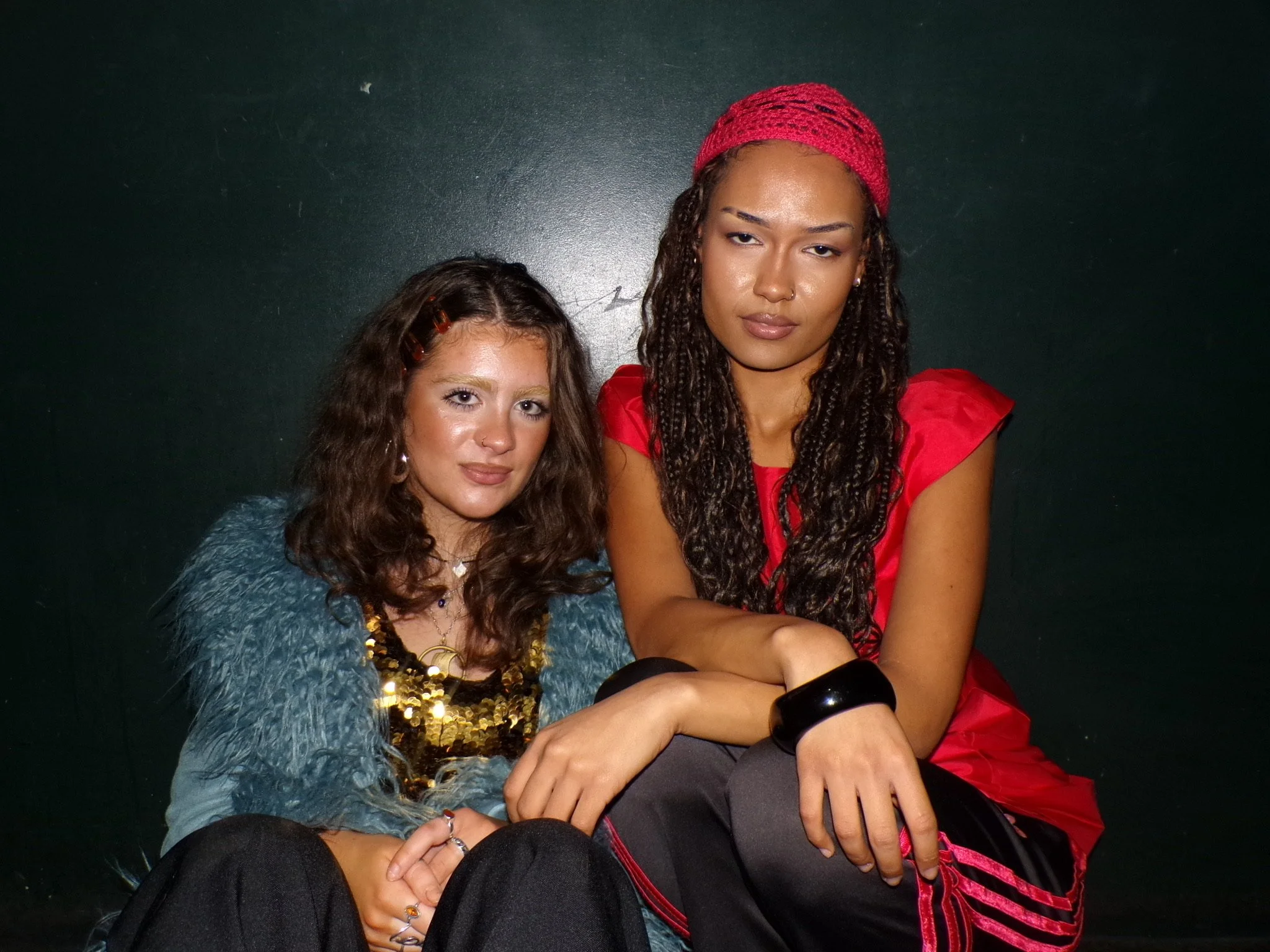
Revolve Recycle is a Glasgow-based project involving handmaking gifts, organising clothes-swaps and reinvesting profits to reduce landfill waste and counter the influence of fast fashion. Initiatives like this allow students a place to re-discover the fun behind fashion with less worry about where your money is going and whether or not the costs have been hiked. It’s important to ensure that something created to be accessible remains available to anyone who wants or needs it, whether or not its market has expanded.

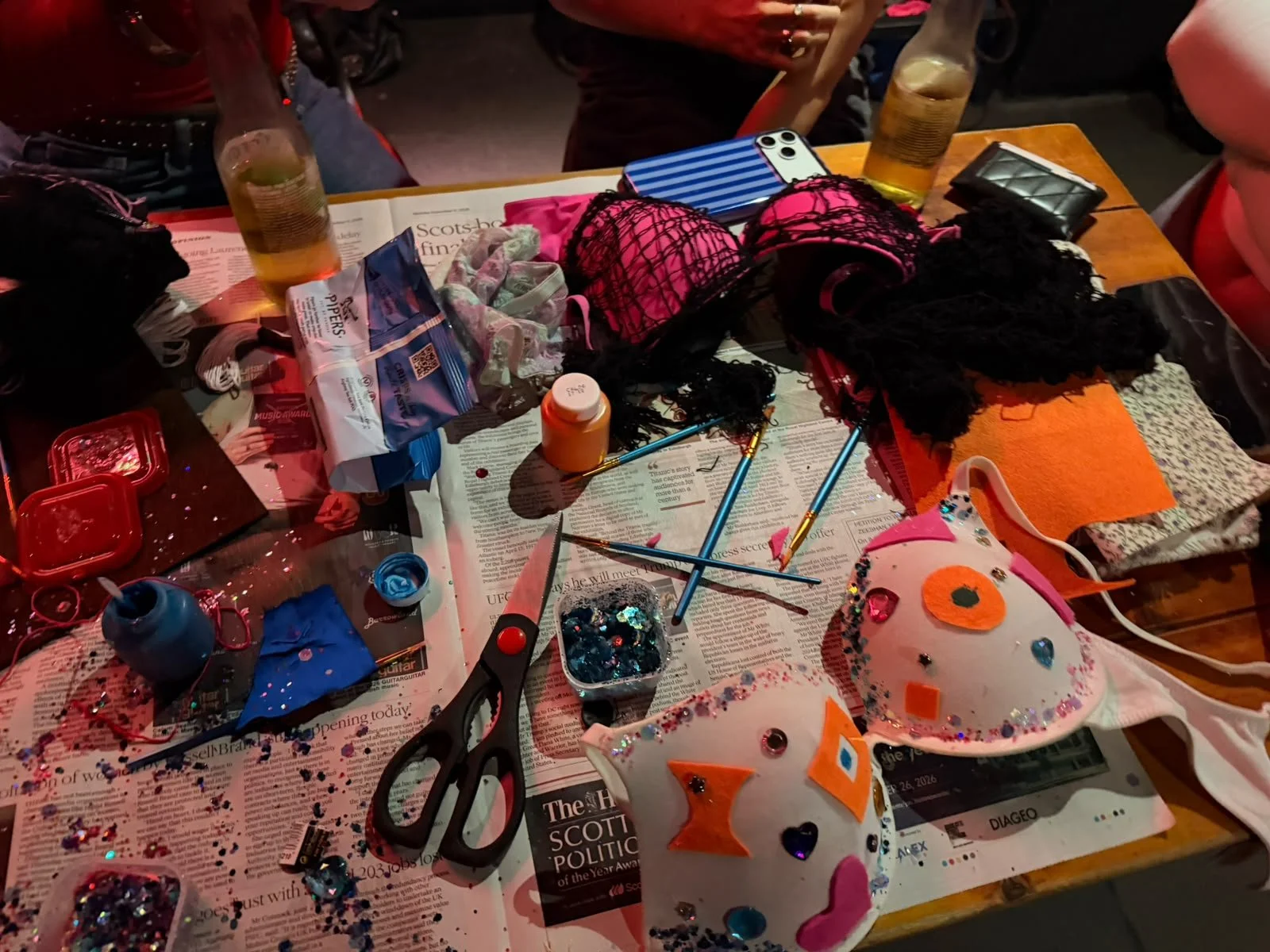
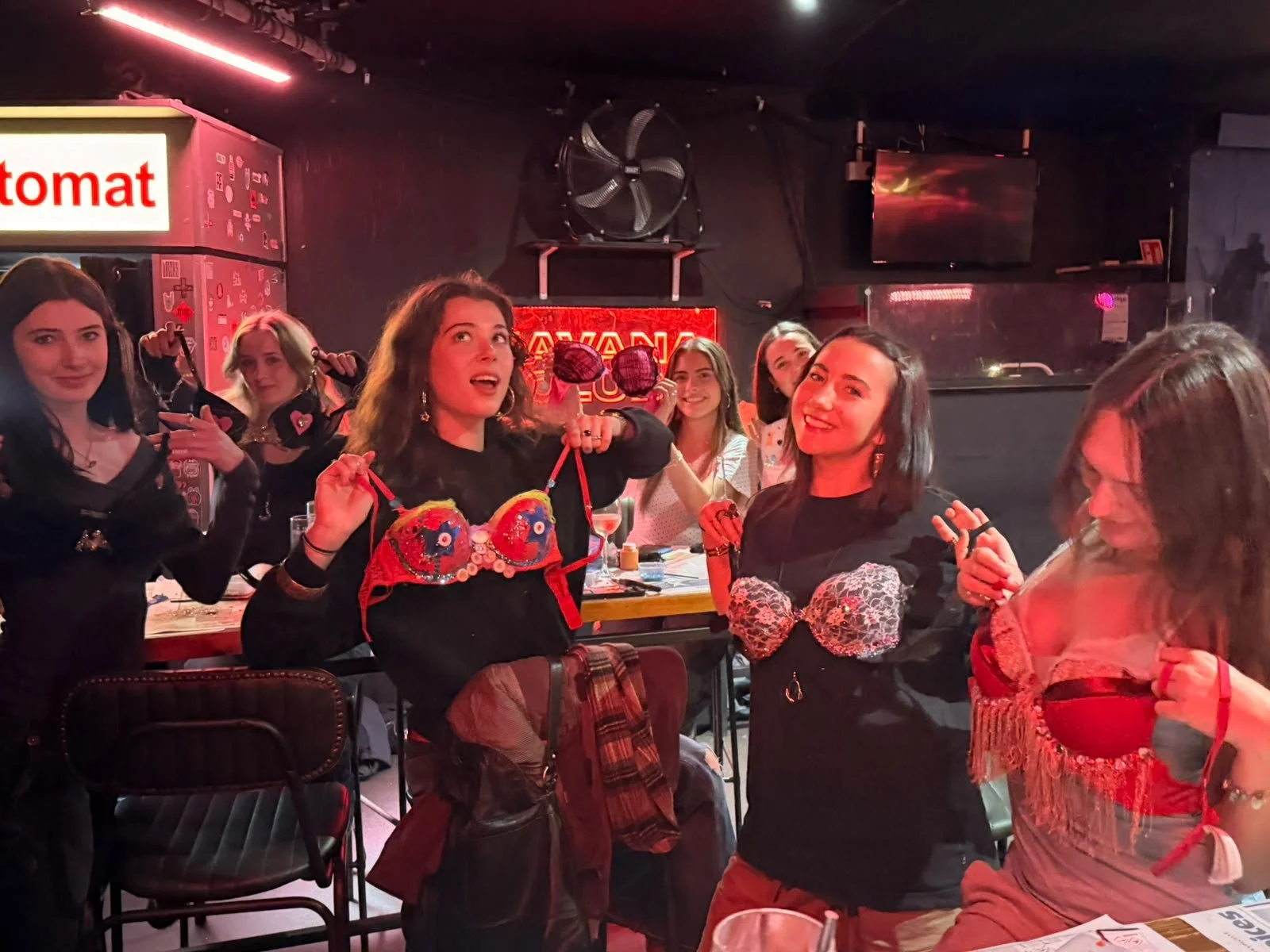
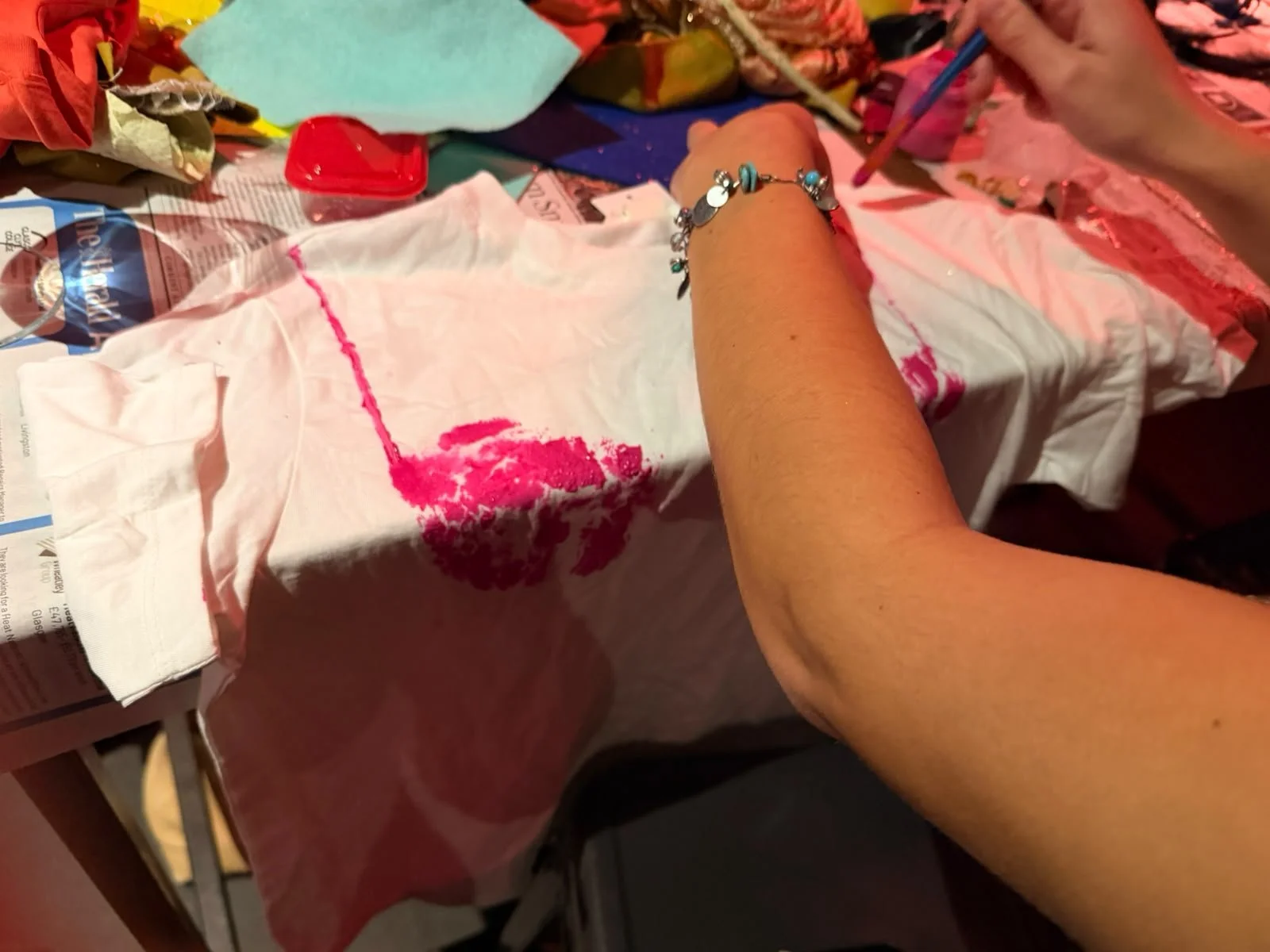
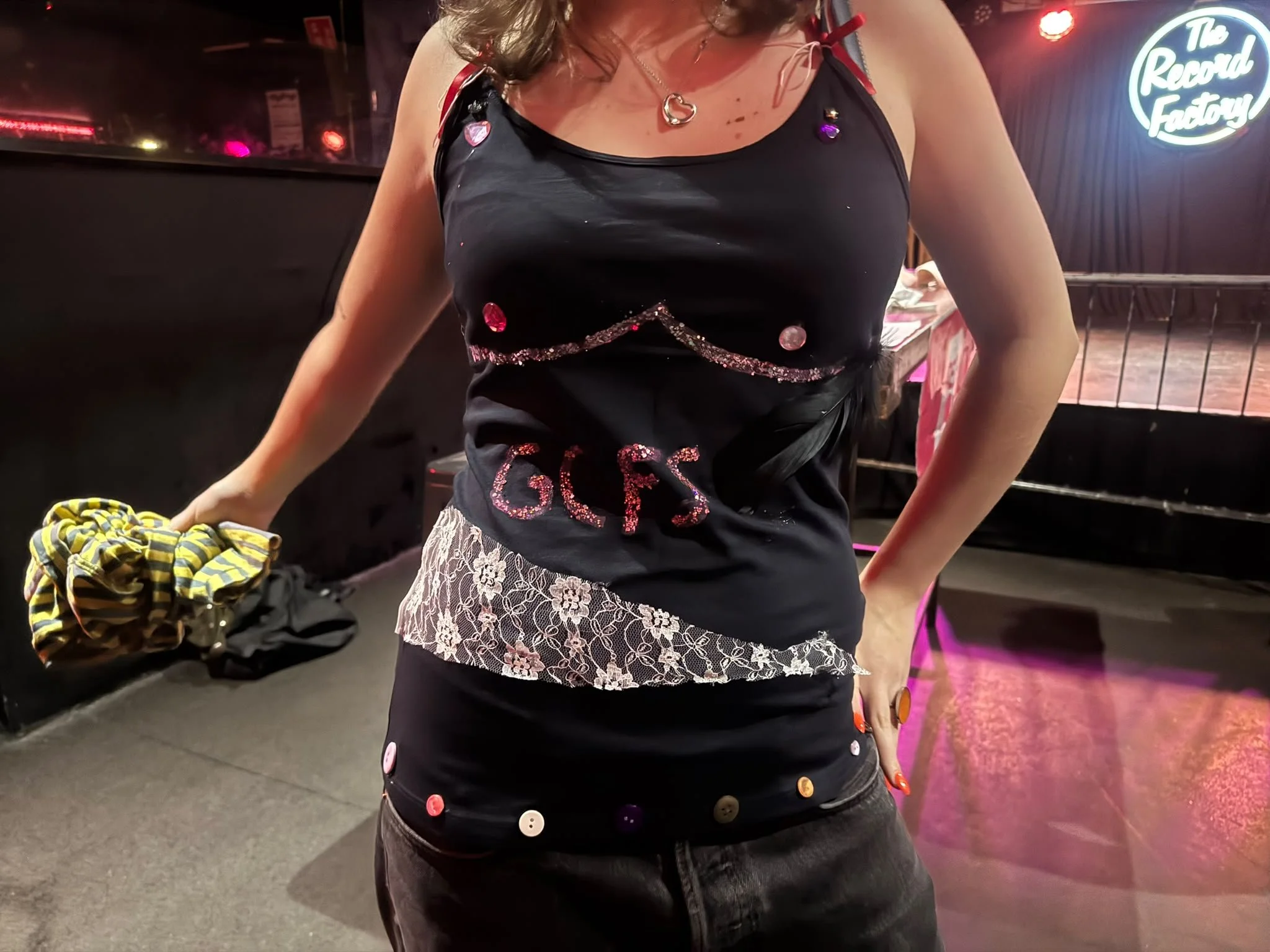
And the reason there is such an appeal of individuality about thrifting, is because second-hand clothing carries origin, movement and history that items straight from the high street cannot. It leaves traces of the people and places it has experienced and becomes an archive of movement and memory. The GCFS charity team recently expressed this value through an organised event spotlighting upcycling and the creativity that can come from used pieces, gathering people for a night of bedazzling bras, tank tops and binders in aid of Breast Cancer Now. Bringing together two core values of charity and sustainability, getting involved in community events highlights creativity and how the lifecycle of an item is never truly over.
By Izzy Thomas,
Press & PR